Articles about

Federal Disability Retirement

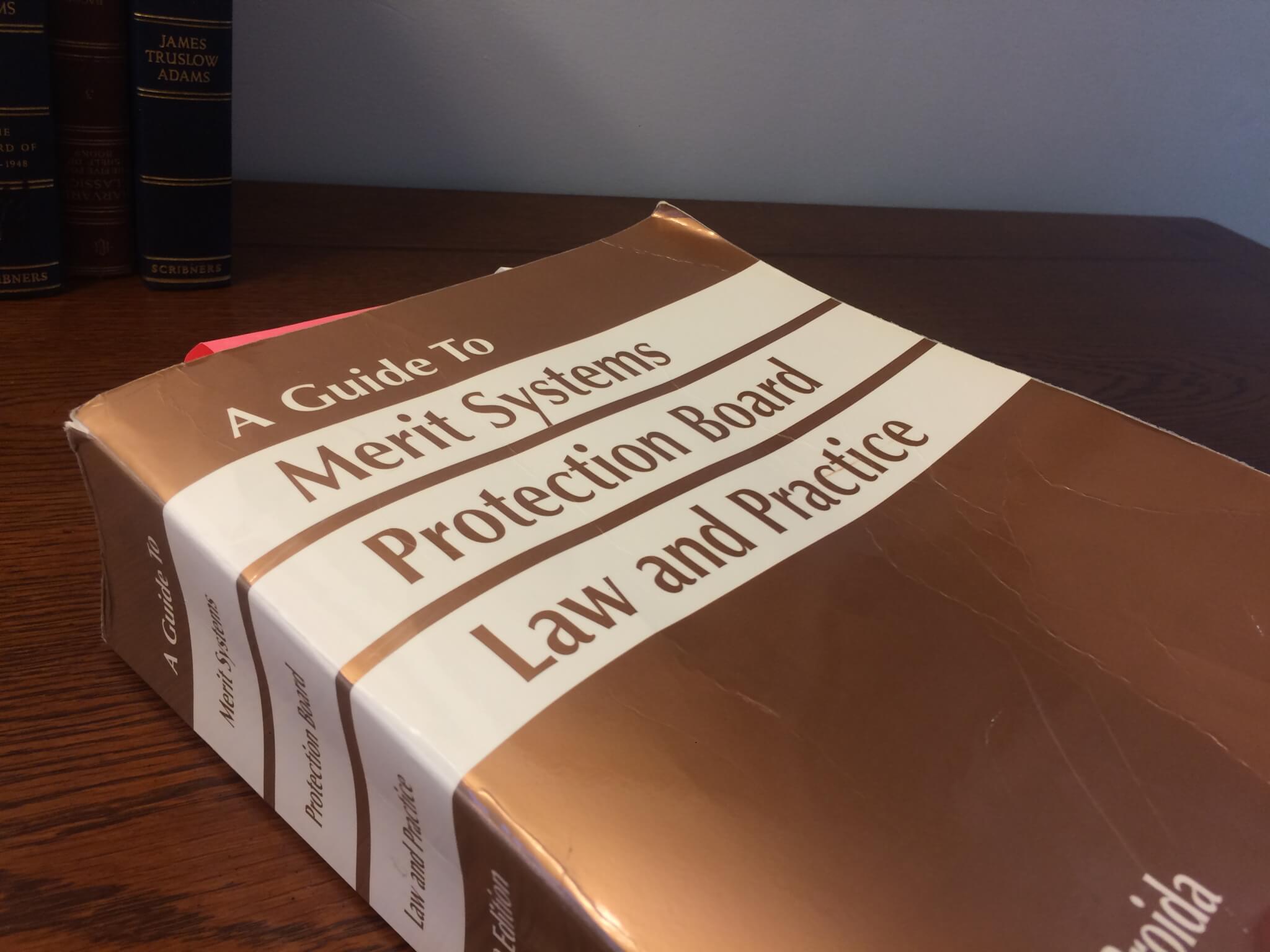
What is the Merit Systems Protection Board (MSPB)?

What is the Merit Systems Protection Board (MSPB)?

Federal workers who can no longer perform their job duties may be eligible for Federal Disability Retirement. If you apply and are denied twice through the OPM, you can appeal that decision. This time, your case is reviewed by the MSPB. This is a much more formal...

read more
The Reconsideration Process of Federal Disability Retirement

The Reconsideration Process of Federal Disability Retirement

All federal workers have the right to apply for Federal Disability Retirement if they have an illness or injury that prevents them from doing their essential job duties. Furthermore, if you are denied at the initial stage through OPM, you also have appeal rights. The...

read more
What is the Cause for a Continuous Backlog at OPM?

What is the Cause for a Continuous Backlog at OPM?

The Office of Personnel Management (OPM) is notorious for taking months to process retirement applications. There is a continuous backlog. This is especially difficult for someone who is applying for Federal Disability Retirement. They can’t work, or at least not...

read more
FERS- The Federal Employee Retirement System

FERS- The Federal Employee Retirement System

If you are a federal employee who was hired after January 1, 1984, you fall under the FERS retirement system. This is different than the Civil Service Retirement System (CSRS) in that the FERS system is known as a three-tier system. The three parts are a Basic Benefit...

read more

Why Should I Seek Representation?

Deciding whether or not to hire an attorney to provide representation and help with your disability retirement case is a big decision. If you are injured or become ill and can no longer perform the essential duties of your job at an efficient level, the likelihood of...

read more
Why Do I Have to Apply for Social Security Disability Too?

Why Do I Have to Apply for Social Security Disability Too?

Under the Federal Employees Retirement System (FERS), federal workers pay into a pension, Thrift Savings Plan, and Social Security. If, after 18 months of creditable service, you become disabled, you are eligible to apply for Federal Disability Retirement benefits....

read more
How FERS Disability Retirement Annuity is Computed

How FERS Disability Retirement Annuity is Computed

You are eligible for Federal Disability Retirement benefits after you have 18 months of creditable service. You must also meet the requirements laid out by OPM (Office of Personnel Management). Under the Federal Employees Retirement System (FERS), there are four types...

read more
What illness qualifies for Federal Disability Retirement?

What illness qualifies for Federal Disability Retirement?

As discussed in part 1 of this post, physical illnesses can qualify you for Federal Disability Retirement. But did you know, Psychological and Psychiatric disorders can also qualify you for Federal Disability Retirement? These can be tougher cases to prove simply...

read more
What is the Federal Disability Retirement Process?

What is the Federal Disability Retirement Process?

After determining your eligibility for Federal Disability Retirement comes the process of actually filing for disability benefits. There are many rules and regulations when applying and the process can be long and tedious. Keep in mind the following when submitting...

read more

Federal Employee Resources

Our ever growing library of federal employee resources give you the knowledge you need to make smart choices about your future.

FAQs

Frequently Asked Questions

Get the answers you need on-demand, from a team of federal employee benefits professionals.

View FAQ
Webinars

Federal Benefit Webinars

Twice per month we host webinars to help federal employees better understand their benefits and answer their questions LIVE.

See Webinar Schedule
Guides

Benefit Guides

From guides to detailed charts, these educational resources will help clarify confusing federal employee benefits topics.

See our resources